Honey Cute: A Handwritten Font for Editorial Design
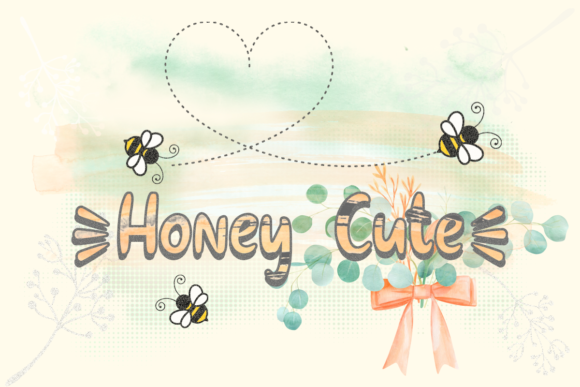
Honey Cute is a handwritten font that brings warmth and authenticity to editorial design. Its friendly and sweet style makes it an excellent choice for content creators who want to add personality without sacrificing readability. As someone who works across blogs, magazines, and digital publications, I appreciate how this script font can elevate the visual tone of any project.
The unique characteristics of Honey Cute make it versatile for various editorial uses. It has a natural, organic feel that mimics real handwriting, which adds a personal touch to headlines, chapter openers, and quote graphics. This font is especially well-suited for lifestyle blogs, recipe ebooks, and wedding guides where a warm and inviting atmosphere is essential.
Visual Characteristics and Style
Honey Cute features soft curves, gentle loops, and a consistent stroke weight that maintains legibility even in smaller sizes. Its character set includes alternates and ligatures that enhance its authentic look, making it ideal for creating visually appealing text elements. The font’s personality is both approachable and elegant, which helps establish a strong brand identity.
This font’s versatility allows it to be used in multiple ways within a publication. For instance, it can serve as the primary typeface for blog headers or magazine covers while still being readable on screen and in print. Its subtle variations in letterforms also help differentiate between titles, subtitles, and body text when paired with complementary fonts.
Practical Uses in Editorial Design
Honey Cute excels in situations where a handwritten feel is desired but not at the expense of clarity. Here are some practical applications:
- Blog Headers: Use Honey Cute for blog post titles to create a welcoming and engaging first impression.
- Magazine Covers: Incorporate this font into cover titles or taglines to add a personal and creative flair.
- Ebook Titles: Apply Honey Cute to chapter headings or section titles in an ebook to maintain a cohesive and attractive layout.
- Newsletter Graphics: Use it for pull quotes or call-out boxes in newsletters to highlight key points and keep readers engaged.
- Printable Guides: This font works well for printable worksheets or planners where a friendly and approachable tone is needed.
When designing for digital platforms like websites or social media, it's important to consider how Honey Cute will appear on different screen sizes. Testing the font in various contexts ensures that it remains legible and aesthetically pleasing across devices.
Font Pairing and Readability
To maintain balance and readability, pairing Honey Cute with a clean sans serif or serif font is often effective. For example, using a modern sans serif font like Montserrat or Helvetica Neue for body copy creates contrast and improves scannability. This combination is particularly useful in long-form articles or downloadable guides where readability is crucial.
For headings and subheadings, pairing Honey Cute with a display font can add visual interest without overwhelming the reader. When working with multilingual content, it's important to verify that the font supports all necessary characters and accents.
Commercial Licensing Considerations
If you're using Honey Cute in commercial projects such as ebooks, templates, or paid newsletters, ensure that you have the appropriate licensing. Script Amp offers a range of fonts suitable for both personal and commercial use, so checking the license agreement before publishing is essential.
Whether you're designing a wedding guide, a coaching workbook, or a digital magazine, Honey Cute provides a unique opportunity to express creativity through typography. Its ability to blend charm with functionality makes it a valuable asset in any editorial toolkit.
By thoughtfully integrating Honey Cute into your designs, you can create content that feels more personal and engaging. From headlines to pull quotes, this font supports a wide range of editorial needs while maintaining a consistent and professional appearance.