Monkey Banana: A Whimsical Sans Serif Font for Editorial Projects
There’s something about the right font that can transform a design from functional to unforgettable. Recently, while redesigning the header for a lifestyle blog, I found myself drawn to a typeface that felt both familiar and refreshingly new—Monkey Banana. It's a sans serif font with a playful edge, yet it maintains enough elegance to feel professional. As I began experimenting with it in different editorial contexts, I realized how well it complements a variety of content layouts without overwhelming the reader.
A Playful Yet Refined Typeface
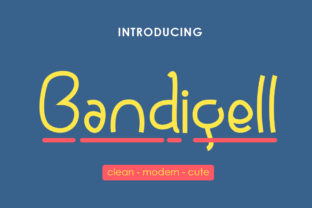
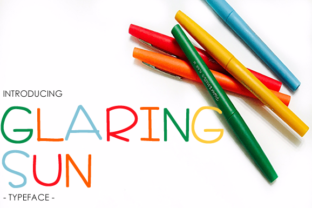
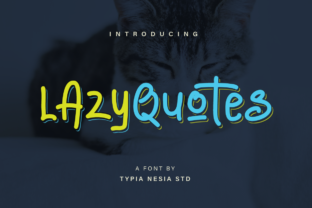
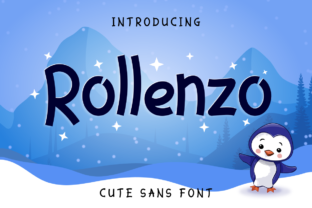
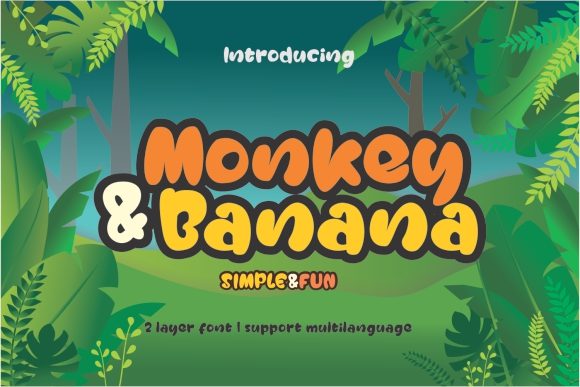
Monkey Banana is exactly what it sounds like: a cute, simple, natural, and fresh font. Its rounded edges and soft curves give it a whimsical personality, making it ideal for projects that want to convey warmth and approachability. The rhythm of its letterforms feels gentle, which helps maintain readability even when used for larger text elements like headlines or chapter openers.
The visual character of Monkey Banana sits comfortably between casual and refined. It doesn’t lean too heavily into childlike simplicity, nor does it become overly decorative. This balance makes it versatile enough to work across multiple editorial formats—from digital magazines to printable planners—without losing its charm.
Testing Monkey Banana in Real Content Layouts
I tested Monkey Banana in several real-world publishing scenarios. One of the first places I used it was on a blog header for a wellness-focused website. The font added a light-hearted tone that matched the brand’s voice perfectly. When paired with a clean sans serif body font, it created a harmonious contrast that guided the reader’s eye smoothly through the page.
In another project, I applied Monkey Banana to the title pages of a recipe ebook. The font gave the cover a friendly, inviting feel that made the book more appealing to potential readers. It also worked well for pull quotes in an editorial feature, where it drew attention without overshadowing the content.
For a wedding guide, I used Monkey Banana in section headings and decorative accents. The font’s playful nature complemented the celebratory theme, while still maintaining enough structure to support the layout’s information hierarchy.
Readability and Practical Use Cases
While Monkey Banana is undeniably expressive, it’s important to consider its suitability for different editorial uses. As a display font, it shines in titles, subtitles, and pull quotes. However, it may not be the best choice for dense paragraphs or small captions due to its rounded forms, which can reduce legibility at smaller sizes.
For long-form content, such as articles or e-books, pairing Monkey Banana with a more structured sans serif or serif font is recommended. This ensures that the overall design remains readable and visually balanced. In print materials, the font holds up well, especially when used in larger point sizes or with sufficient leading.
When considering screen reading and mobile layouts, I found that Monkey Banana performs reasonably well, but it’s always wise to test it across devices. For PDF exports, the font retains its quality and appearance consistently, making it a solid choice for digital publications and downloadable content.
Font Pairing and Design Considerations
One of the strengths of Monkey Banana is how easily it pairs with other fonts. For example, combining it with a classic serif font like Georgia or Times New Roman creates a nice contrast between the playful and traditional elements of a design. Alternatively, pairing it with a modern sans serif such as Helvetica Neue can help maintain a cohesive and contemporary look.
Before using Monkey Banana in any commercial project, it’s essential to check the included styles, alternates, ligatures, weights, and multilingual support. Ensuring that the font has the necessary features for your specific use case—whether it’s a newsletter, course PDF, or printable planner—is crucial for maintaining consistency and professionalism.
Also, verifying the licensing terms is important, especially if you plan to use the font in paid newsletters, client publications, or digital downloads. Many premium fonts offer commercial licenses, but it’s always good to confirm before finalizing a design.
Monkey Banana is a thoughtful addition to any designer’s toolkit. Whether you're crafting a lifestyle blog, creating a coaching workbook, or designing a digital magazine, this font brings a sense of playfulness and warmth that can elevate your editorial projects. Used thoughtfully, it supports both visual hierarchy and reader engagement, making it a valuable asset in any content layout.